By SDCN Staff
San Diego, CA–The California Department of Food and Agriculture has established a new citrus quarantine in North County and parts of Marine Corps Base Camp Pendleton following the detection of Huanglongbing (HLB), a fatal citrus tree disease, in a residential neighborhood in San Clemente.
The quarantine, announced Sept. 9, marks San Diego’s first multi-jurisdictional quarantine area. It stretches from southern Orange County to northern San Diego County, including San Onofre, Agra, and the northwest portion of Camp Pendleton. Existing quarantine zones remain in place in Fallbrook, Oceanside, Rancho Bernardo, and Valley Center.
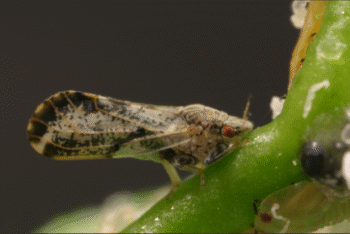
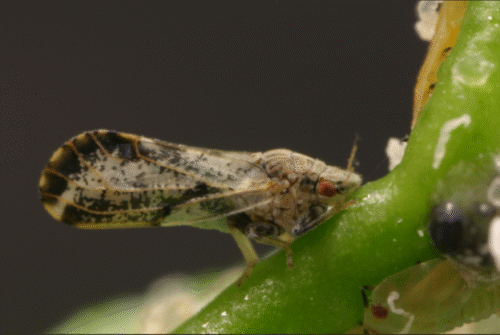
HLB, also known as citrus greening, poses a major threat to San Diego County’s $144 million annual citrus industry. The disease, spread by the Asian citrus psyllid insect, produces bitter, misshapen fruit and ultimately kills infected trees. While HLB is not harmful to humans or animals, it is devastating to both citrus crops and backyard trees.
“This disease is fatal to citrus, so our goal is to prevent it from spreading,” said San Diego Agricultural Commissioner Ha Dang. “By working together, we can protect our food supply, local agriculture, and environment from this devastating disease.”
Under the quarantine, residents and businesses are prohibited from moving citrus nursery stock, plant material, or fruit outside the quarantine boundaries. Commercial growers may move fruit only if they follow strict state requirements for treatment, cleaning, and packing.
Officials emphasized that no commercial citrus growers, nurseries, or markets are expected to be directly impacted by the new restrictions. CDFA and county staff are working with residents in the immediate area to treat citrus trees as a protective measure.
If additional infected trees are found, state officials will contact property owners about removing affected trees and treating nearby plants to contain the disease.
HLB symptoms include mottled yellow leaves, asymmetrical patterns of discoloration, and small, partially green fruit that is bitter and inedible. Once infected, citrus trees typically die within a few years.
The County recommends that residents remove all leaves and stems and thoroughly wash backyard citrus before moving from the property where it was grown. Residents must dry or double-bag plant clippings before disposal.
Agricultural officials may visit the area to inspect trees, take samples, and treat for the pest.
If residents no longer wish to care for a citrus tree, consider contacting a tree removal service to discuss options to help ensure trees do not continue to be a host to the pest and disease.
The County recommends residents buy citrus trees from reputable local nurseries.
Report citrus trees that seem to be sick or dying even though they also appear to be well-watered and well-maintained by contacting CDFA’s toll-free Pest Hotline at (800) 491-1899 or visit www.cdfa.ca.gov/plant/acp.