
By SDCN Editor
Sacramento, CA–The California Air Resources Board (CARB) is announcing an expansion of projects eligible for funding for its Community Air Protection Program, making it possible for more communities to apply for and receive assistance for proven solutions that reduce emissions and exposure to harmful pollutants.
The recently launched 2024 Community Air Protection (CAP) Incentive Guidelines announced the expanded list. The program brings residents and organizations together with local air quality districts and CARB staff to implement community-driven solutions that tackle each area’s environmental challenges. Projects such as community greening efforts that increase the urban canopy or bike and pedestrian infrastructure that increase access to zero-emissions mobility are now eligible for funding to address the environmental burdens that areas that are home to low-income Californians and communities of color disproportionately face.
Following the October 2023 board approval of Blueprint 2.0, a five-year strategic plan for the CAP program, the updated guidelines are the next implementation step.
“By working directly with residents to put their ideas and vision into action, we now have data and proven examples on what works to tackle air quality challenges and address historic inequities,” said Chanell Fletcher, CARB Deputy Executive Officer of Environmental Justice, Tribal Affairs, and Border Relations. “Our updated guidelines make best practices available for air districts and communities to continue their efforts to improve air quality.”
The program – made possible by Cap-and-Trade funds – works by putting community members at the decision-making table to guide how incentive funds will be used to address local sources of pollution and emissions. The program has supported projects that replace dirty diesel engines for companies that operate in the community, installed air filters in places such as daycares and homes, and advocated for the rerouting of heavily trafficked truck corridors so they can avoid schools and homes. By expanding the types of eligible projects, the new guidelines build on the commitments made in Blueprint 2.0 to direct resources to the more than 60 communities that have been consistently nominated for the program but have not yet been selected.
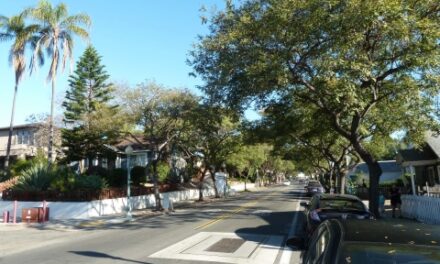
The expanded eligible projects include planting trees and creating vegetative barriers, paving, sidewalk, and bike path projects, partnering with local agencies, addressing indoor and outdoor air pollution sources to reduce exposure for individuals in or near sensitive receptors like homes, schools, and healthcare facilities, and alternatives to agricultural burning.
Since 2017, more than $500 million of the $1.4 billion appropriated for the program has been invested to advance equity with almost 95% of the funds benefitting low-income or disadvantaged communities. Expanding eligibility through the new guidelines will help CARB and air districts continue targeting areas of the state that will benefit from reduced exposure to pollutants.
CAP Incentives funds have supported over 5,400 projects and equipment, including almost 900 zero-emission technology projects, that will reduce over 22,400 tons of oxides of nitrogen, 1,520 tons of reactive organic gasses, 910 tons of particulate matter, and 250,000 metric tons of greenhouse gas emissions statewide. Over a third of those reductions have taken place in AB 617-selected communities, the most environmentally impacted cities in the state, representing close to four million Californians.