By Danny R. Johnson – Political News Editor
Scott Colom will be sworn into the U.S. Senate on January 3, 2027, becoming Mississippi’s first Black senator in nearly 150 years and the first elected by popular vote rather than by state lawmakers. Colom, a Democrat, was declared the winner over Republican Sen. Cindy Hyde-Smith on Wednesday, November 12.
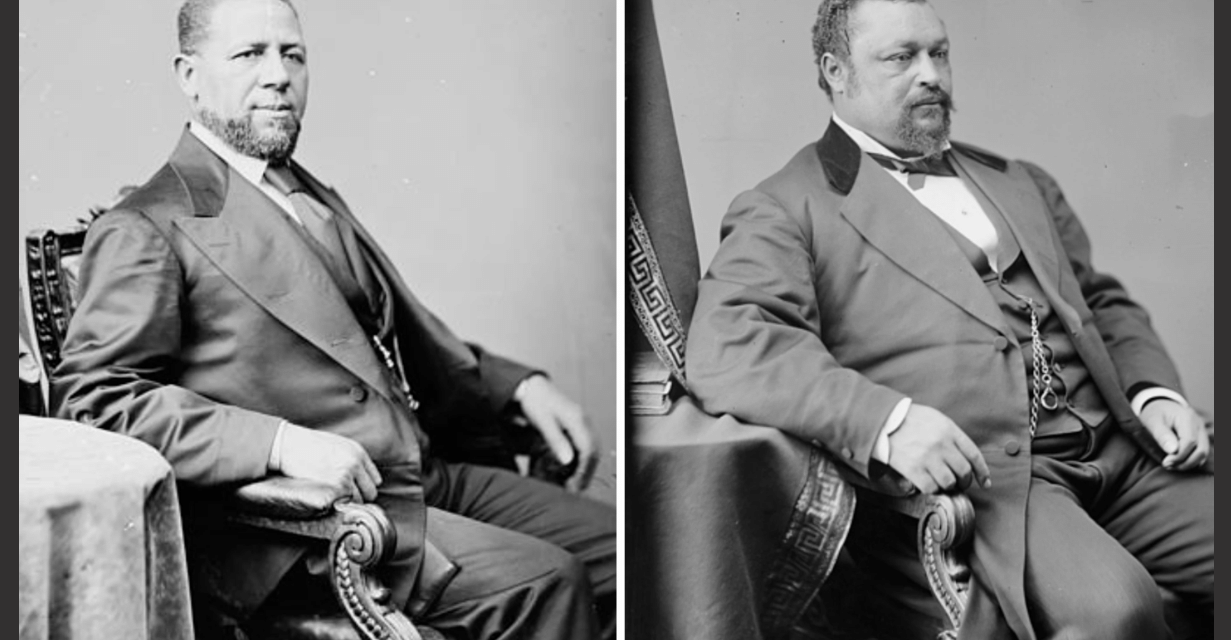
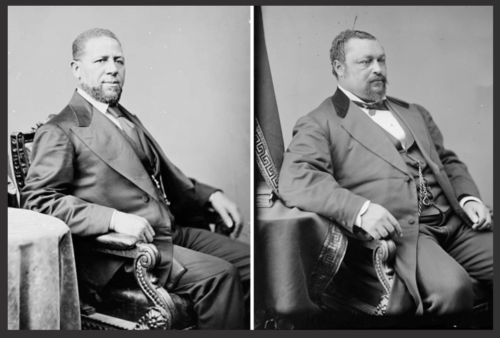
His victory recalls Mississippi’s first two Black senators, Hiram Rhodes Revels and Blanche Kelso Bruce.
The first Black member of Congress
Revels became the first African American in Congress when he took his Senate seat on February 25, 1870.
Born to free parents in North Carolina in September 1827, Revels was a religious leader and educator of Black Americans in several states, according to National Park Service and U.S. Senate biographies. After the Civil War, he settled in Natchez, Mississippi, and became presiding elder of the African Methodist Episcopal Church.
Revels was elected a Natchez alderman in 1868. The following year, he was one of 35 Black men elected to Mississippi’s legislature. The state’s Senate seats had been vacant since it seceded in January 1861, and legislators chose Revels for one seat and a white man for the other.
A U.S. Senate account says Revels recalled that Black legislators agreed to back one of their own for the unexpired term, hoping to ease racial prejudice. He took his seat two days after Mississippi rejoined the Union and served until his term ended on March 3, 1871, just over a year later.
Mississippi’s last Black senator before Colom
Chosen by the state legislature, Bruce became the first African American to serve a full Senate term. He took office in 1875 and, in 1879, became the first Black man to preside over the chamber. Born enslaved in 1841 to a mother owned by his white father, he remains the only formerly enslaved person to serve in the Senate, according to Senate and National Park Service accounts.
Bruce was born in Virginia. After his father moved the plantation to Mississippi, he began picking cotton at age 8. Early in the Civil War, he escaped to Kansas, founded a school for Black children in Missouri in 1864, and studied at Oberlin College in Ohio for two years until financial hardship forced him to leave. Back in Mississippi, he became a wealthy businessman and landowner and held several local government posts before state legislators elected him to the U.S. Senate, where he served from 1875 to 1881.
Revels and Bruce were Republicans, unlike Colom
During Reconstruction (1865–1877), the 13th, 14th, and 15th Amendments abolished slavery, established birthright citizenship, and barred denying the vote based on race, color, or previous enslavement.
The Republican Party was Abraham Lincoln’s party during the Civil War, and his Emancipation Proclamation of January 1, 1863, declared enslaved people in rebellious states free. Seventeen Black men served in Congress during Reconstruction—15 in the House, plus Revels and Bruce in the Senate. The next Black senator did not serve until 1967, when Edward Brooke of Massachusetts became the first Black person elected to the Senate by popular vote.