
By SDCN Staff
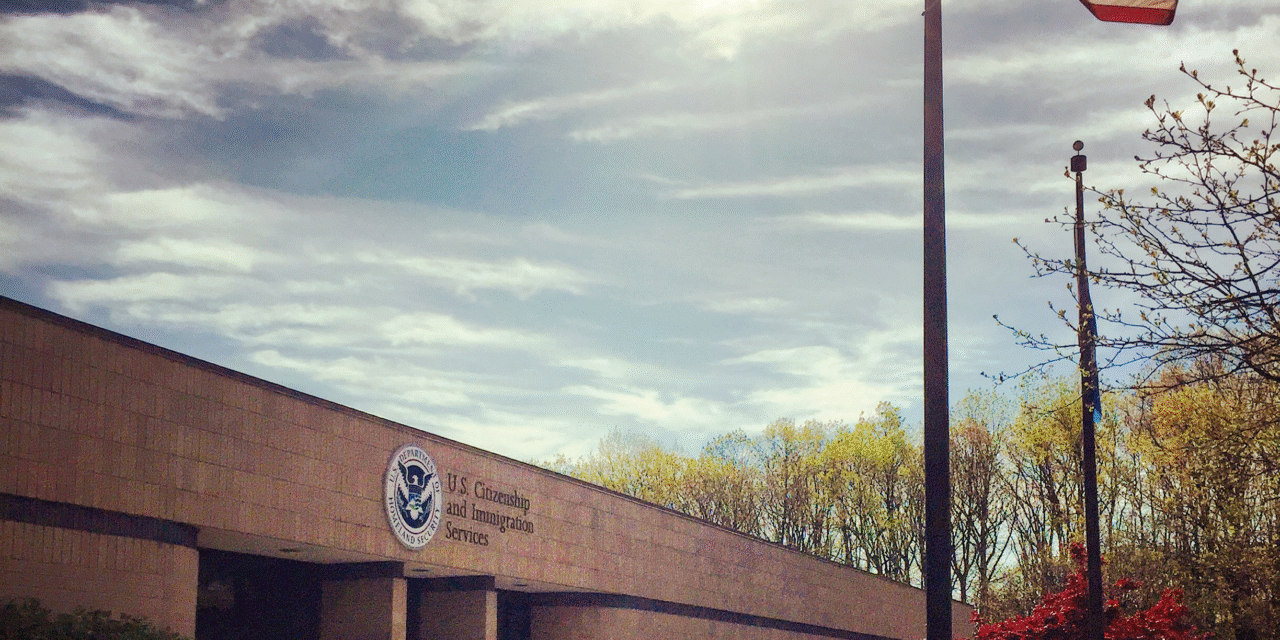
Washington, D.C.–Following the shooting of two National Guard service members in Washington, D.C., on Wednesday, U.S. Citizenship and Immigration Services (USCIS) issued new policy guidance allowing officers to weigh negative, country-specific factors when evaluating immigration requests from individuals from 19 designated countries.
According to USCIS, the updated guidance permits officers to consider issues such as a country’s capacity to produce secure identity documents and other factors relevant to national security and public safety. The policy applies to cases pending or filed on or after Nov. 27.
USCIS Director Joseph Edlow said the change is intended to strengthen existing vetting procedures.
“My primary responsibility is to ensure that every applicant is vetted and screened to the maximum degree possible,” Edlow said in a written statement.
The announcement comes as the Trump administration continues to emphasize tighter immigration controls. During its first year in office, the administration halted the resettlement of refugees from Afghanistan and restricted the entry of Afghan nationals.
USCIS said the new guidance aligns with Presidential Proclamation 10949, which seeks to limit entry to the United States by certain foreign nationals considered potential security risks. The agency stated that the changes are designed to help officers more effectively evaluate whether an applicant could pose a threat to public safety or national security.
The 19 countries identified under the updated guidance are Afghanistan, Cuba, Burma, the Republic of the Congo, Equatorial Guinea, Eritrea, Haiti, Iran, Libya, Somalia, Sudan, Yemen, Burundi, Laos, Sierra Leone, Togo, Turkmenistan, and Venezuela.
The policy is effective immediately.