
By SDCN Staff
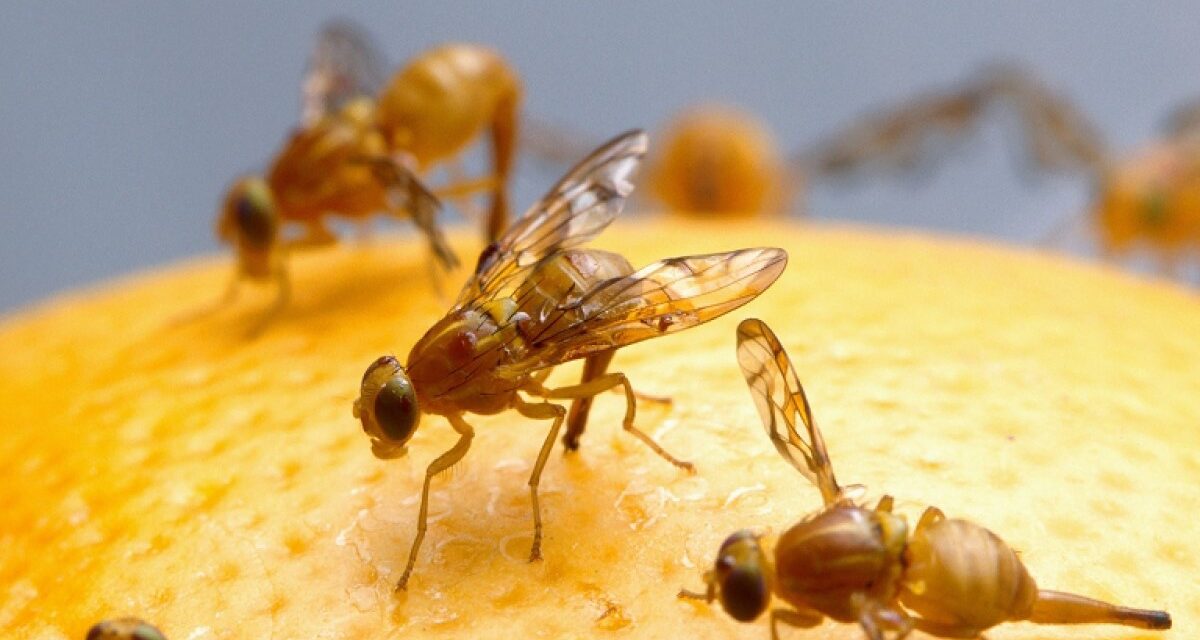
San Diego, CA–The California Department of Food and Agriculture (CDFA) has expanded a Mexican fruit fly quarantine in San Diego County after the invasive pest was detected during routine inspections in El Cajon and Spring Valley.
The expanded quarantine area encompasses approximately 111 square miles and overlaps with the existing La Mesa quarantine zone. The boundaries extend north to State Route 67, south to Proctor Valley Road, west to State Route 125, and east to Riggs Road.
The quarantine affects portions of El Cajon, La Mesa, Lemon Grove, San Diego, and Santee.
State and federal officials are working together to contain the infestation, including: California Department of Food and Agriculture, U.S. Department of Agriculture, and San Diego County Agricultural Commissioner’s Office.
Officials said the effort is aimed at protecting growers, wholesalers, retailers, and home gardeners.
CDFA said the response may include releasing sterile male Mexican fruit flies throughout the quarantine area to reduce reproduction.
In addition to expanding the quarantine area, officials plan to treat properties within 200 meters of confirmed detections using an organic Spinosad-based formulation. Crews may also remove fruit within 100 meters of locations where fly larvae or adult flies have been detected to help prevent the pest from spreading.
According to CDFA, the science-based strategy is considered the safest and most effective method for reducing invasive fruit fly populations.
The quarantine restricts the movement of host fruits and plants by growers, wholesalers, retailers, and nurseries.
Officials urge home gardeners to consume homegrown produce on-site and avoid transporting fruit off their property. They are advised to dispose of potentially infested produce properly.
Residents who believe their fruits or vegetables may be infested should contact the California Pest Hotline at 1-800-491-1899.
The Mexican fruit fly can infest more than 50 types of fruits and vegetables, posing a threat to California agriculture, local food supplies, and backyard gardens.
Although invasive fruit flies are occasionally found in agricultural regions, most detections occur in suburban and urban areas. Officials say the pests frequently enter California by hitchhiking on fruits and vegetables illegally brought into the state by travelers.
For more information, consumers can visit the CDFA website.