
By Danny R. Johnson – Political News Editor
DALLAS — President Donald Trump and the Republican National Committee concluded their two-day Republican Party Mid-Term Convention, branded “Trumpapalooza,” on September 10 at the American Airlines Center in Dallas. Promoted as a major rally and fundraiser, the event aimed to energize Republican voters before the November 2026 midterms.
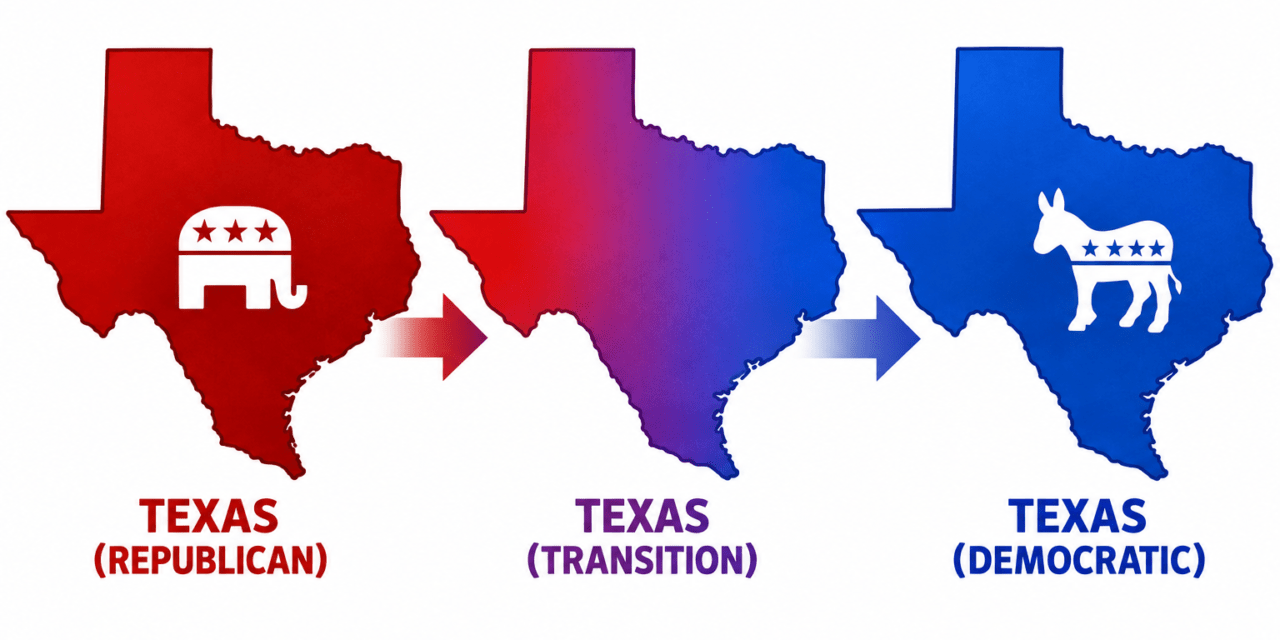
However, our on-the-ground reporting and international press coverage indicate the gathering failed badly. Trump’s choice to hold such an unprecedented event suggests he and Republican leaders are increasingly concerned that Texas could shift Democratic.
The commentary surrounding the GOP’s midterm pep rally in Dallas has largely centered on Trump’s improbable—and almost certainly illegal—proposal to pay voters $5,000 if Republicans win the midterms. The fixation is understandable: the plan resembles the $1 million “lottery” payout Elon Musk dangled before right-leaning Wisconsin voters during the 2025 state Supreme Court elections, with one key difference—Musk could afford his bribe, while Trump cannot.
But this kind of transactional corruption has become a defining feature of the modern Republican Party. That’s why the Dallas gathering also included open violations of the Hatch Act, with Attorney General Todd Blanche and Treasury Secretary Scott Bessent campaigning for the GOP in ways only slightly less brazen than Trump’s own pitch. In Bessent’s case, the bond markets reacted far faster than the judicial system has.
The deeper question is not whether Trump’s bribery scheme is legal, but whether his political message will work. In Dallas, he urged voters to “pretend that I’m on the ballot” in November. For many Republicans, that’s a nightmare scenario. Trump’s approval ratings have sunk into the low-to-mid 30s, prompting vulnerable GOP candidates in swing states to skip the Dallas event entirely and scrub Trump references from their campaign websites. The last thing they want is a midterm framed as a referendum on an unpopular president.
The strategy behind Trump’s appeal echoes the one credited with helping him win in 2024: targeting low-propensity voters with short-term, self-interested promises. That approach produced gimmicks like the temporary “no tax on tips” proposal, auto-loan interest deductions, and now the $5,000 payout. But midterms don’t run on disengaged voters; they run on motivated base voters, and historically they favor the party out of power.
Worse for Republicans, the low-propensity voters Trump activated in 2024 appear to be souring on him. Polling cited that these voters are now significantly less approving of Trump on major issues. A UMass Amherst survey found that 15 percent of Trump’s 2024 voters would reconsider their vote if given the chance, and confidence among his supporters has dropped sharply since 2025.
Meanwhile, broader electoral trends are shifting leftward. Polling from Gallup shows Democrats with a 49–39 advantage among likely 2026 voters—the largest margin since 2008. Half of self-identified independents now lean Democratic. Even Trump’s once-reliable white working-class base has turned against his economic agenda, with disapproval now outweighing approval by double-digit margins.
Given these dynamics, Republicans should be doing everything possible to keep Trump out of the spotlight. But after a decade spent remaking the party into a personality cult, they have little choice but to keep him in front and center. And if they continue acting as though Trump is on the ballot, they may accelerate the very electoral collapse they fear.