By SDCN Staff
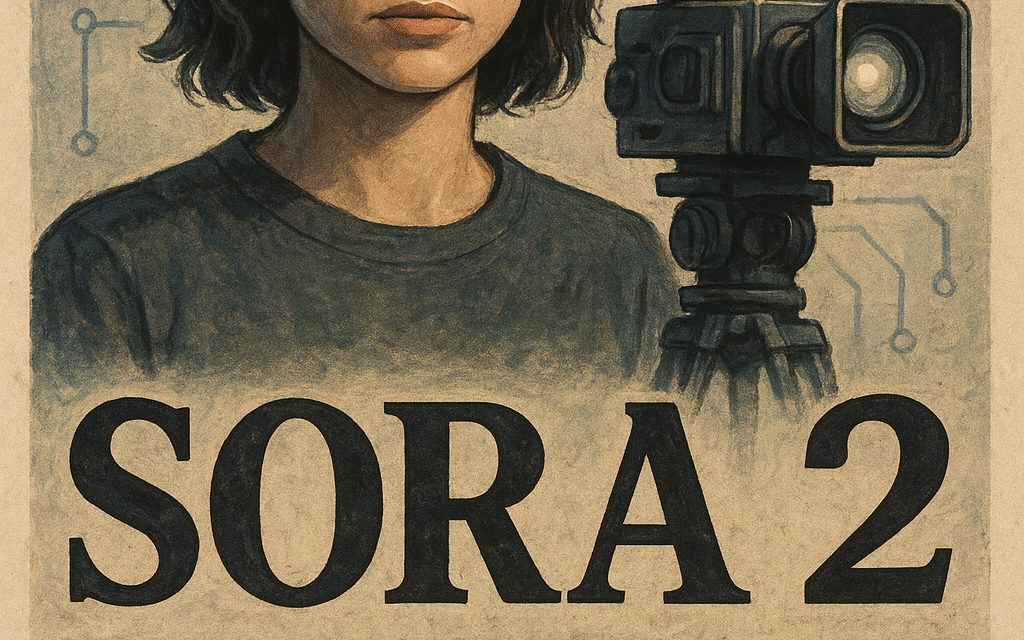
Los Angeles, CA–SAG-AFTRA, OpenAI, actor Bryan Cranston, and major talent agencies, including United Talent Agency, Creative Artists Agency, and the Association of Talent Agents, issued a joint statement announcing their productive collaboration to establish voice and likeness protections in OpenAI’s upcoming Sora 2 platform.
Cranston’s voice and likeness were able to be generated in some outputs without consent or compensation when OpenAI’s Sora 2 was initially launched in an invite-only release two weeks ago. While it was OpenAI’s policy to require opt-in for the use of voice and likeness, OpenAI expressed regret for these unintentional generations. The platform has strengthened guardrails around the replication of voice and likeness when individuals do not opt in.
Cranston brought the issue to the attention of SAG-AFTRA.
“I was deeply concerned not just for myself, but for all performers whose work and identity can be misused in this way. I am grateful to OpenAI for its policy and for improving its guardrails, and hope that they and all of the companies involved in this work respect our personal and professional right to manage replication of our voice and likeness,” said Cranston.
OpenAI has an opt-in policy for the use of an individual’s voice or likeness in Sora 2. All artists, performers, and individuals will have the right to determine how and whether they can be simulated. This policy reflects the company’s commitment to artist rights, transparency, and the ethical deployment of generative technology. It has also committed to responding expeditiously to any complaints it may receive.
This new framework aligns with the principles embodied in the NO FAKES Act, pending federal legislation designed to protect performers and the public from unauthorized digital replication. OpenAI, SAG-AFTRA, Bryan Cranston and his representatives at United Talent Agency, the Association of Talent Agents, and Creative Artists Agency share a strong, unified position in favor of the NO FAKES Act and endorse its goal of establishing a national standard that ensures performers’ voices and likenesses cannot be used without permission. Together, we believe consent and compensation are the foundation of a sustainable and ethical creative ecosystem for entertainment and tech.
“Bryan Cranston is one of countless performers whose voice and likeness are in danger of massive misappropriation by replication technology. Bryan did the right thing by communicating with his union and his professional representatives to have the matter addressed,” said SAG-AFTRA President Sean Astin.
Austin expressed appreciation for OpenAI’s commitment to an opt-in protocol that allows artists to decide whether their voice and likeness can be used with artificial intelligence. He emphasized that such a policy must be enduring and thanked all stakeholders, including OpenAI, for collaborating to establish strong legal protections.
“Simply put, opt-in protocols are the only way to do business, and the NO FAKES Act will make us safer,” Austin said.
“OpenAI is deeply committed to protecting performers from the misappropriation of their voice and likeness. We were an early supporter of the NO FAKES Act when it was introduced last year, and will always stand behind the rights of performers,” said Sam Altman, CEO, OpenAI.
SAG-AFTRA represents approximately 160,000 actors, announcers, broadcast journalists, dancers, DJs, news writers, news editors, program hosts, puppeteers, recording artists, singers, stunt performers, voiceover artists, influencers, and other entertainment and media professionals.